
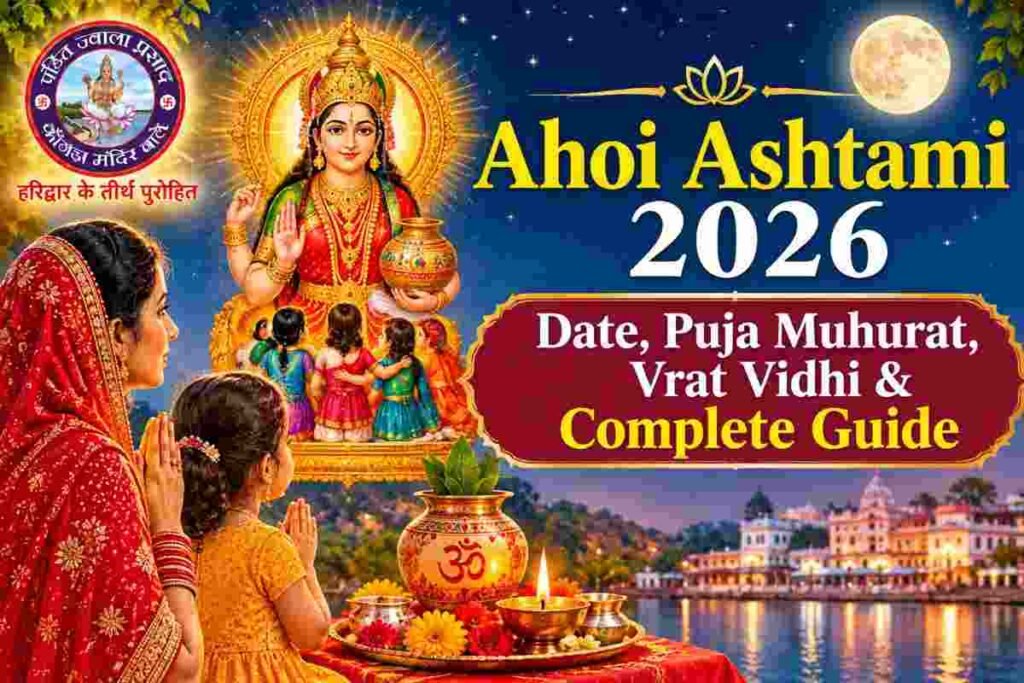
Ahoi Ashtami is an important Hindu festival observed with devotion across many parts of North India. It is associated with the prayers of mothers for the well-being, prosperity and long life of their children. The festival falls on Krishna Paksha Ashtami during the month of Kartik according to the North Indian calendar. Families prepare for the evening worship by arranging puja samagri, observing traditional fasting rules and listening to the Ahoi Mata vrat katha. Understanding the date, muhurat and rituals makes the observance more organised and meaningful.
Ahoi Ashtami 2026 will be celebrated on Sunday, 1 November. The day includes a traditional fast, evening worship of Ahoi Mata and prayers after sighting the stars. In New Delhi, the puja muhurat is from 5:36 PM to 6:54 PM and the expected star-sighting time is around 6:00 PM. Local timings may vary, so devotees should follow the Panchang for their city.
1. Ahoi Ashtami 2026 Date and Important Timings
The festival is observed on the Ashtami Tithi of Krishna Paksha in the month of Kartik. In 2026, the observance falls on Sunday, 1 November. The evening is considered important for worship and prayers, while many families complete the fast after sighting stars.
| Event | Date and time (New Delhi) |
| Festival date | Sunday, 1 November 2026 |
| Ashtami Tithi begins | 2:51 PM, 1 November |
| Ashtami Tithi ends | 1:10 PM, 2 November |
| Puja Muhurat | 5:36 PM to 6:54 PM |
| Expected star-sighting time | Around 6:00 PM |
| Moonrise | Around 11:40 PM |
2. Significance and Religious Importance of Ahoi Ashtami
Ahoi Ashtami is traditionally dedicated to Ahoi Mata, who is worshipped for the protection and well-being of children. Mothers observe the fast with faith and pray for their children’s happiness, good health and success. The festival also brings families together through shared prayers and traditional customs.
- Prayers for children: Mothers offer prayers for the long life, health and prosperity of their children. The observance is now commonly followed for both sons and daughters.
- Worship of Ahoi Mata: Devotees worship Ahoi Mata with flowers, lamps, sweets and other offerings. The goddess is remembered with devotion during the evening puja.
- Importance of the vrat katha: Listening to or reading the traditional story is an important part of the ritual. It explains the religious beliefs associated with the fast.
- Family traditions: Customs may differ between communities and households. Some families follow specific rituals passed down through generations.
3. Ahoi Ashtami Vrat Vidhi and Puja Rituals
The traditional vrat begins in the morning and continues until the evening worship and star sighting. Devotees prepare a clean worship area, offer prayers to Ahoi Mata and recite the vrat katha. The exact method may vary according to family customs and regional traditions.
- Morning preparation: Wake up early, take a bath and clean the puja area. Wear clean clothes and prepare the items required for the day’s worship.
- Sankalp for the fast: Take a prayerful resolution to observe the vrat for the well-being of your children. Follow the fasting method according to your health and family tradition.
- Preparation of Ahoi Mata image: Place an image or traditional drawing of Ahoi Mata on a clean wall or worship surface. Some families also include images of the associated symbols used in their customary puja.
- Evening puja: Light a diya and offer flowers, roli, rice, sweets and water to Ahoi Mata. Pray with devotion during the auspicious evening period.
- Recitation of vrat katha: Read or listen to the Ahoi Ashtami vrat katha with family members. Offer prayers at the end of the story.
- Star sighting and completion: When stars become visible, offer arghya according to family tradition. Many devotees then complete the fast by offering prayers and taking food.
4. Ahoi Ashtami Puja Samagri and Preparations
Arranging the puja items in advance helps devotees perform the rituals without interruption. Most items are easily available at home or from a nearby पूजा सामग्री shop. The list can be adjusted according to local customs.
| Puja item | Traditional use |
| Ahoi Mata image | For worship |
| Roli and rice | For tilak and offerings |
| Flowers | For decoration and prayer |
| Diya and cotton wicks | For lighting during puja |
| Incense sticks | For the worship ritual |
| Sweets and fruits | For bhog |
| Water in a kalash | For ritual offerings |
| Vrat katha book | For reading or listening to the story |
Keep the worship area clean and arrange the items before the evening muhurat. Families may add other traditional offerings according to their customs.
5. Fasting Rules and Traditions Followed on Ahoi Ashtami
Fasting is an important part of the observance, but the method differs from one family to another. Some devotees observe a strict fast without food or water, while others follow a partial fast. The choice should take personal health, age and medical advice into consideration.
- Traditional fasting: Many women begin the fast in the morning and continue until the evening rituals are completed. The fasting practice is followed according to family tradition.
- Food and water restrictions: Some devotees avoid both food and water, while others consume fruits or permitted vrat food. There is no need to follow a strict fast if it may affect health.
- Prayers for sons and daughters: The vrat is widely observed for the well-being of all children. Its central intention is maternal love, protection and family welfare.
- Breaking the fast: Many families complete the fast after sighting stars and offering arghya. Follow the customary practice followed in your household.
6. Star Sighting and the Importance of Evening Worship
Star sighting is an important part of the evening observance. Many devotees wait until stars become visible, offer arghya and pray before completing the fast. Some families follow a moon-sighting tradition instead, although the Moon may rise quite late that night.
For New Delhi, stars are expected to become visible at approximately 6:00 PM on 1 November 2026. In Dehradun, the expected star-sighting time is around 5:55 PM, with the puja window approximately 5:31 PM to 6:49 PM. These examples show why local timings should be checked rather than applying one city’s schedule everywhere.
Conclusion
Ahoi Ashtami is a meaningful occasion centred on prayers for children’s health, happiness and prosperity. In 2026, the festival falls on 1 November, with evening worship and star sighting forming the main parts of the observance. Knowing the local puja muhurat, arranging the required samagri and following family traditions can help devotees prepare for the day with devotion and care.
Frequently Asked Questions (FAQs)
1. When is Ahoi Ashtami in 2026?
Ahoi Ashtami will be observed on Sunday, 1 November 2026. Mothers traditionally observe the fast and worship Ahoi Mata for the well-being and long life of their children.
2. What is the puja muhurat for Ahoi Ashtami 2026?
In New Delhi, the puja muhurat is from 5:36 PM to 6:54 PM on 1 November. The timings may differ depending on the city.
3. What is the star-sighting time in 2026?
Stars are expected to become visible around 6:00 PM in New Delhi. In other locations, the time may be earlier or later depending on sunset.
4. When does the Ashtami Tithi begin and end?
The Ashtami Tithi begins at 2:51 PM on 1 November and ends at 1:10 PM on 2 November 2026, according to the New Delhi Panchang.
5. Why do mothers observe the Ahoi Ashtami fast?
Mothers traditionally observe this fast to pray for their children’s health, happiness, prosperity and long life. The festival is dedicated to Ahoi Mata.