
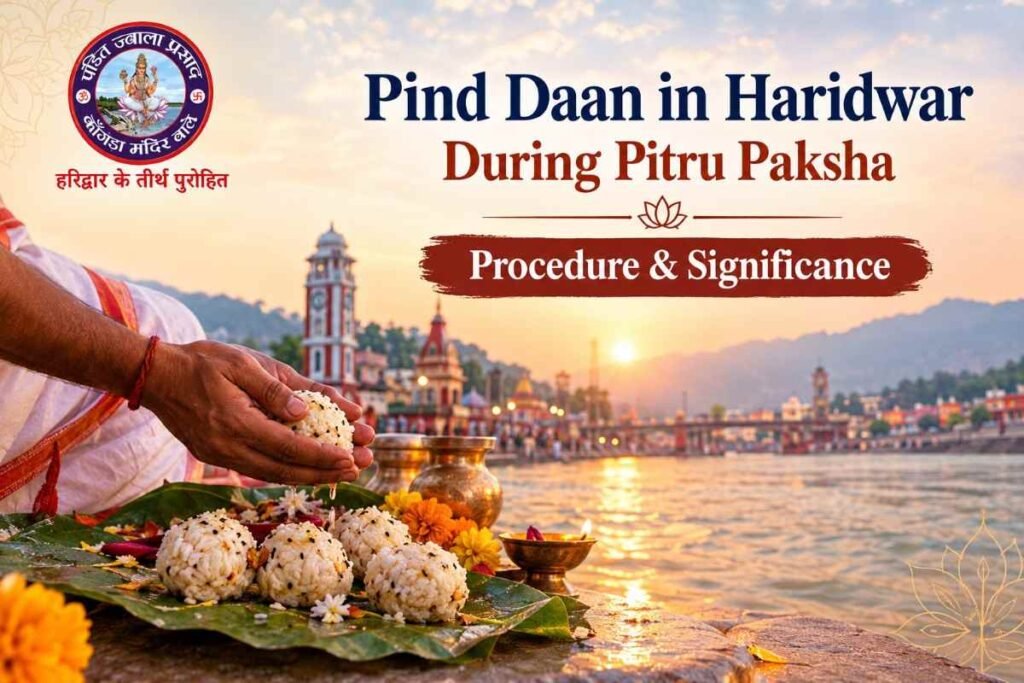
Pitru Paksha is a significant period in the Hindu tradition dedicated to remembering and offering prayers for departed ancestors. Haridwar holds a special place among pilgrimage destinations where families traditionally perform ancestral rites near the sacred Ganga. The rituals may include offerings of pind, water and other prescribed materials under the guidance of a knowledgeable priest. Understanding the traditional customs, appropriate timing and sequence of rituals can help families approach pind daan during pitru paksha with clarity and respect.
Pind daan during pitru paksha is traditionally performed to honor departed ancestors through offerings made according to Hindu ritual practices. In Haridwar, families commonly perform these rites at sacred locations associated with the Ganga while following guidance from a priest. The procedure can vary according to family tradition, regional customs and the specific ritual being performed. The central purpose is remembrance, श्रद्धा (faith) and making traditional offerings for one’s ancestors.
Pitru Paksha Holds Deep Traditional Significance
Pitru Paksha is traditionally observed for approximately sixteen lunar days during the Hindu month of Bhadrapada or Ashwin depending on the regional calendar. Families use this period to remember deceased relatives and perform rituals associated with ancestral remembrance. The exact dates vary each year according to the lunar calendar.
- Ancestral Remembrance
Families remember departed parents, grandparents and other ancestors through prayers and traditional offerings. The observance is centered on gratitude and respect toward previous generations. - Shraddha and Faith
The rituals are traditionally performed with श्रद्धा, meaning sincere faith and devotion. Families may follow customs that have been passed through generations. - Tarpan and Offerings
Water offerings known as tarpan may form part of ancestral rituals. Depending on the tradition, food and other prescribed offerings may also be included.
Haridwar Provides a Sacred Setting for Ancestral Rituals
Haridwar is an important pilgrimage destination situated along the Ganga. Its ghats are traditionally associated with various religious ceremonies including rituals for ancestors. Families visiting the city during Pitru Paksha often seek guidance from priests who conduct these ceremonies according to established customs.
- Sacred Ganga Setting
The Ganga is traditionally regarded as sacred in Hinduism. Performing ancestral rituals near the river is considered spiritually significant within these traditions. - Guidance From Priests
A priest can explain the required materials, mantras and sequence according to the family’s customary practice. - Rituals at Traditional Ghats
Several ghats in Haridwar are associated with religious ceremonies. The specific location can depend on the ritual and guidance provided by the priest.
The Traditional Procedure Follows a Structured Sequence
The procedure for pind daan during pitru paksha can vary according to regional and family traditions. Generally, the ceremony begins with preparation and sankalp before moving toward offerings and prayers. A priest usually guides the family through each stage so the prescribed rituals are performed correctly.
- Sankalp and Invocation
The family traditionally makes a sankalp stating the purpose of the ceremony and remembering the ancestors for whom the ritual is being performed. - Preparation of Pind
Pind offerings are traditionally prepared using prescribed ingredients. The exact composition may vary according to regional customs and the priest’s guidance. - Tarpan and Water Offerings
Water is offered while traditional mantras are recited. This stage represents remembrance and respect for departed ancestors. - Prayers and Ritual Offerings
Additional offerings may be made according to family tradition. The priest generally explains the appropriate sequence during the ceremony. - Completion of the Ritual
The ceremony concludes with prayers and customary concluding rites. Families may then follow additional practices according to their tradition.
Important Ritual Elements Carry Symbolic Meaning
The materials used during ancestral rituals are not selected randomly. Different offerings have traditional symbolic associations and are incorporated according to the prescribed ritual method.
| Ritual Element | Traditional Significance |
| Pind | Symbolic offering made for departed ancestors |
| Water | Used in tarpan and ancestral offerings |
| Til | Traditionally included in several shraddha-related rituals |
| Kusha Grass | Traditionally used in sacred Hindu rituals |
| Flowers | Used as an offering during prayers |
| Food Offerings | Traditionally offered as part of ancestral observances |
The exact materials required can differ depending on the ritual and family tradition. It is therefore better to confirm the requirements with the priest before the ceremony.
Proper Preparation Makes the Ritual Easier
Families planning pind daan during pitru paksha should prepare in advance because Pitru Paksha can attract many pilgrims. Checking the relevant lunar date and arranging a priest beforehand can make the visit more organized. Families should also clarify the ritual requirements before arriving in Haridwar.
- Confirm the Pitru Tithi
The ritual is traditionally associated with the lunar death anniversary or an appropriate Pitru Paksha date. The applicable date should be confirmed according to the Hindu calendar. - Arrange Priest Guidance
Contacting a trusted priest before the visit can help clarify the ritual procedure and required materials. - Plan Travel Early
Accommodation and transportation can become busy during important religious periods. Early planning can make the pilgrimage more comfortable. - Carry Necessary Details
Families may be asked for information about the departed ancestor and family lineage for the sankalp. Keeping relevant details available can help the priest conduct the ceremony.
Spiritual Significance Centers on Gratitude and Remembrance
The deeper significance of pind daan during pitru paksha lies in remembering ancestors and expressing gratitude toward previous generations. Within Hindu traditions, these rituals are associated with honoring departed family members and seeking blessings for the family. Interpretations can vary among communities and religious traditions.
- Honoring Ancestors
The ceremony provides families with a traditional way to remember relatives who have passed away. - Expressing Family Gratitude
Ancestral rituals can represent appreciation for the sacrifices and contributions of earlier generations. - Maintaining Family Traditions
Performing the ceremony can help younger generations understand and continue inherited religious customs. - Creating a Reflective Experience
The peaceful environment near the Ganga can provide families with an opportunity for prayer, remembrance and reflection.
Conclusion
Pind daan during pitru paksha is a traditional ancestral ritual centered on remembrance, श्रद्धा and respect for departed family members. Haridwar’s association with the sacred Ganga makes it an important pilgrimage destination for families observing these customs. Understanding the traditional procedure, preparing the necessary materials and taking guidance from a knowledgeable priest can help families conduct the ceremony respectfully while preserving their religious traditions.
Frequently Asked Questions (FAQs)
1. What should not be done during Pitru Paksha?
During Pitru Paksha, many Hindu traditions recommend avoiding auspicious celebrations such as weddings and housewarming ceremonies. Families generally focus on simplicity, prayers, charity, Shraddha and offerings for departed ancestors.
2. Which temple is famous for Pitru Dosha Pooja in Haridwar?
Narayani Shila Temple in Haridwar is traditionally associated with Pind Daan, Shraddha and rituals related to ancestors. Families may also perform ancestral rites at sacred locations along the Ganga according to their traditions.
3. How much does Pind Daan cost in Haridwar?
The cost of Pind Daan in Haridwar varies according to the type of ritual, number of priests, puja materials and additional ceremonies. Basic rituals may start from around ₹2,800 while more elaborate ceremonies can cost ₹10,000 or more, so it is advisable to confirm the complete cost and inclusions with the priest before booking.
4. Can Pind Daan be performed for more than one ancestor?
Traditional practices may allow offerings for multiple ancestors depending on the ritual and family tradition. The appropriate procedure should be discussed with the priest beforehand.
5. What is the main purpose of Pind Daan during Pitru Paksha?
Its traditional purpose is to honor departed ancestors through prayers and offerings. The ceremony represents remembrance, श्रद्धा and gratitude within Hindu religious practice.